FRP Swimming Pool: Types, Benefits, Features, Applications and Selection Guide in 2026

FRP swimming pools are manufactured using Fibre Reinforced Plastic (FRP), a composite material made by combining reinforcing fibres with a resin matrix. These pools are designed to provide a durable, lightweight and corrosion-resistant swimming solution for different residential and commercial requirements.
FRP swimming pools are available in different shapes, sizes, designs and finishes. Their prefabricated construction makes them suitable for projects where installation convenience, surface finish and structural requirements are important considerations. They can be used in residential properties, hotels, resorts, recreational facilities and other swimming pool installations.
Understanding the construction, types, benefits and installation requirements of FRP swimming pools helps buyers select a suitable solution. This guide explains the important features, applications and factors to consider when choosing an FRP swimming pool.
- What Is an FRP Swimming Pool?
- How Is an FRP Swimming Pool Manufactured?
- Different Types of FRP Swimming Pools
- Main Features of FRP Swimming Pools
- Benefits of FRP Swimming Pools
- FRP Swimming Pool vs Concrete Swimming Pool
- Applications of FRP Swimming Pools
- Important Factors to Consider When Choosing an FRP Swimming Pool
- FRP Swimming Pool Installation Process
- FRP Swimming Pool Maintenance
- Safety and Quality Considerations for FRP Swimming Pools
- How to Select the Right FRP Swimming Pool Manufacturer
- Why Choose Us for FRP Swimming Pools?
- Frequently Asked Questions About FRP Swimming Pools
- Conclusion: Choosing the Right FRP Swimming Pool
What Is an FRP Swimming Pool?
An FRP swimming pool is a pool structure manufactured using Fibre Reinforced Plastic, a composite material consisting of reinforcing fibres and resin. The fibres provide structural reinforcement, while the resin binds the material and forms the finished composite structure.
FRP pools are generally manufactured as prefabricated units with a moulded shell. Depending on the design, they may include integrated steps, seating areas, curved edges and different surface finishes.
Their material properties make them suitable for swimming pool applications where reduced weight, corrosion resistance and a smooth finished surface are required.
How Is an FRP Swimming Pool Manufactured?
FRP swimming pools are manufactured through a moulding process in which layers of reinforcing material and resin are applied to create the required pool shell.
1. Mould Preparation
A mould is prepared according to the required swimming pool dimensions, shape and design. Its surface is cleaned and prepared to achieve the desired finish.
2. Gelcoat Application
A suitable gelcoat is applied to the mould surface to create the outer finish of the swimming pool. The selected gelcoat should be appropriate for the intended water and environmental conditions.
3. Fibre Reinforcement
Reinforcing fibres, commonly glass fibres, are arranged within the mould to provide structural strength to the composite shell.
4. Resin Application
Resin is applied to the reinforcing material to bind the fibres and form the composite structure. Proper application helps achieve the required laminate quality.
5. Layering and Reinforcement
Additional reinforcement layers may be applied according to the pool design, dimensions and structural requirements.
6. Curing Process
The composite material is allowed to cure under controlled conditions so that it develops the required strength and stability.
7. Demoulding
After curing, the finished FRP shell is carefully removed from the mould.
8. Finishing and Quality Inspection
The pool shell is inspected for surface defects, dimensions, finish and other quality requirements before dispatch.
Different Types of FRP Swimming Pools
FRP swimming pools are available in different designs to suit available space, user requirements and installation conditions.
1. Rectangular FRP Swimming Pools
Rectangular FRP swimming pools are designed with straight sides and a regular layout. They are suitable for residential properties, hotels and facilities where conventional pool dimensions are preferred.
2. Round FRP Swimming Pools
Round FRP swimming pools feature a circular design and are suitable for selected residential and recreational applications. Their size and depth depend on the mould and project requirements.
3. Oval FRP Swimming Pools
Oval pools provide an elongated curved design that can be suitable for recreational swimming areas and properties with specific layout requirements.
4. Compact FRP Swimming Pools
Compact FRP pools are designed for locations with limited installation space. They may be suitable for small residential properties and selected leisure facilities.
5. Skimmer-Type FRP Swimming Pools
Skimmer-type pools use skimmers installed near the waterline to collect floating debris and direct surface water towards the filtration system.
6. Overflow-Type FRP Swimming Pools
Overflow pools are designed to allow water to flow over selected pool edges into a collection channel or balance tank. Their construction requires a compatible circulation and filtration arrangement.
7. Custom-Designed FRP Swimming Pools
Custom-designed FRP pools are developed according to specific project dimensions, shapes, depths and design preferences, subject to manufacturing and structural feasibility.
Main Features of FRP Swimming Pools
Lightweight Composite Construction
FRP is generally lighter than many conventional construction materials. This property can help simplify handling and transportation, depending on the pool dimensions.
Corrosion Resistance
The composite material offers resistance to corrosion compared with conventional metal structures, making it suitable for selected wet environments.
Smooth Surface Finish
The moulding process allows the pool shell to have a smooth finished surface. The surface should be maintained according to the manufacturer's recommendations.
Design Flexibility
FRP pools can be manufactured in different shapes, sizes and configurations using suitable moulds.
Prefabricated Construction
Many FRP swimming pools are manufactured as prefabricated shells, allowing important manufacturing work to be completed before delivery to the installation site.
Integrated Design Options
Depending on the mould, features such as steps, seating areas and built-in contours can be incorporated into the pool design.
Benefits of FRP Swimming Pools
Reduced Structural Weight
The lightweight nature of FRP can make transportation and handling more convenient compared with some traditional pool construction materials.
Corrosion Resistance
FRP composite construction provides resistance to corrosion, which is beneficial in swimming pool environments.
Smooth and Attractive Finish
The moulded surface provides a finished appearance and supports convenient routine cleaning when maintained correctly.
Installation Convenience
Prefabricated pool shells can reduce the amount of on-site structural construction required, although site preparation and supporting work remain essential.
Design Versatility
Different shapes, dimensions and integrated features can be considered according to the moulding design.
Suitable for Different Applications
FRP pools can be considered for residential, hospitality and recreational projects depending on their specifications.
Factory-Based Manufacturing
Manufacturing in a controlled facility allows the production process and finished shell to be inspected before delivery.
Maintenance Considerations
A properly manufactured and maintained FRP surface can support routine pool cleaning and maintenance.
FRP Swimming Pool vs Concrete Swimming Pool
FRP and concrete swimming pools differ in construction methods, material properties, installation processes and design flexibility.
| Parameter | FRP Swimming Pool | Concrete Swimming Pool |
|---|---|---|
| Construction | Composite moulded shell | Reinforced concrete structure |
| Manufacturing | Generally prefabricated | Generally constructed on-site |
| Weight | Relatively lightweight shell | Heavy structural construction |
| Design | Depends on available moulds and custom manufacturing | Greater flexibility for complex on-site shapes |
| Surface finish | Moulded gelcoat finish | Tiles, plaster or other finishes |
| Installation | Requires site preparation and shell installation | Requires excavation, reinforcement and concrete work |
| Maintenance | Requires suitable surface and water maintenance | Depends on the selected surface finish and construction |
| Project planning | Requires transport and access planning | Requires on-site construction planning |
The right option depends on project dimensions, site conditions, design preferences, structural requirements and budget.
Applications of FRP Swimming Pools
FRP swimming pools can be used in different facilities where prefabricated composite pool construction is suitable.
Residential Properties
FRP pools can be considered for private homes, villas, farmhouses and residential properties with suitable installation space.
Hotels and Resorts
Hotels and resorts may use FRP swimming pools for guest recreation, leisure areas and selected hospitality projects.
Clubhouses and Recreational Facilities
Clubhouses and recreational centres can consider FRP pools for their swimming and leisure facilities.
Fitness and Wellness Centres
Selected fitness and wellness facilities may use FRP swimming pools for recreational swimming and water-based activities.
Holiday Homes and Farmhouses
FRP pools can be considered for holiday properties and farmhouses where site access and installation conditions support prefabricated pool placement.
Commercial Recreational Projects
FRP pools may be suitable for selected commercial recreational installations based on their dimensions, capacity and intended usage.
Important Factors to Consider When Choosing an FRP Swimming Pool
Pool Dimensions and Depth
Select the pool size, width, length and depth according to the available area and intended usage.
Material and Laminate Quality
Check the reinforcing material, resin system, laminate construction and manufacturing specifications.
Gelcoat Quality
Review the gelcoat specifications and its suitability for swimming pool water and environmental exposure.
Pool Design and Shape
Choose a design that matches the available space, surrounding layout and user requirements.
Site Conditions
Consider soil conditions, groundwater levels, excavation requirements and foundation preparation before installation.
Transportation and Accessibility
Check whether the finished pool shell can be transported to the site and positioned using the available access routes and lifting arrangements.
Filtration System Compatibility
Ensure the pool design is compatible with the required circulation, filtration and water treatment system.
Installation Requirements
Review the manufacturer's installation guidelines, support arrangements, backfilling requirements and plumbing connections.
Maintenance Requirements
Understand the recommended cleaning procedures, water treatment practices and surface maintenance requirements.
Manufacturer Experience and Product Quality
Review the manufacturer's experience, product specifications, quality inspection procedures and installation support.
FRP Swimming Pool Installation Process
Site Assessment
Inspect the installation location, access route, ground conditions and available space before beginning the project.
Excavation and Foundation Preparation
Prepare the excavation and supporting base according to the pool manufacturer's installation specifications and site requirements.
Pool Shell Placement
Transport and position the FRP shell using suitable lifting equipment and handling procedures.
Level and Alignment Checking
Check the pool shell's position, level and alignment before proceeding with connections and supporting work.
Plumbing and Filtration Connections
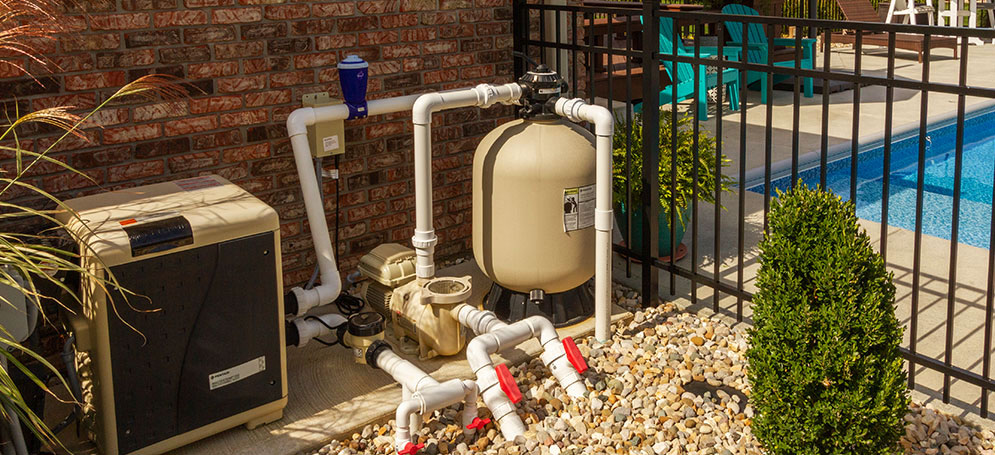
Connect the required suction lines, return lines, skimmers, drains and filtration equipment according to the approved design.
Backfilling and Structural Support
Complete backfilling and supporting work according to the manufacturer's prescribed method. Follow the recommended filling and backfilling sequence to avoid uneven pressure.
Filling and System Testing
Fill the pool as instructed and check the plumbing, circulation and filtration system for leaks and proper operation.
Final Inspection
Inspect the pool shell, surrounding area, accessories and filtration arrangement before handing over the installation.
FRP Swimming Pool Maintenance
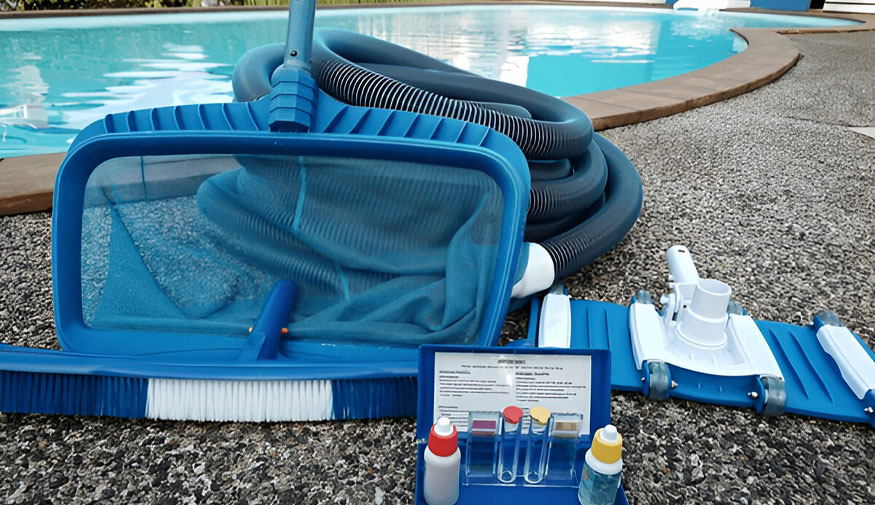
Regular Water Quality Testing
Monitor pH, chlorine and other relevant water parameters according to the pool's treatment requirements.
Routine Surface Cleaning
Use cleaning tools suitable for the FRP surface to remove dirt and debris without causing unnecessary abrasion.
Avoiding Incompatible Chemicals
Use pool treatment products according to their instructions and avoid unsuitable chemical concentrations that may damage pool surfaces or components.
Filtration System Inspection
Inspect pumps, filters, valves and connections regularly to maintain proper circulation and filtration.
Checking Pool Fittings
Inspect skimmers, return fittings, drains and other installed components for leakage, damage or blockages.
Surface Inspection
Check the gelcoat and pool shell for visible cracks, blisters, discolouration or other changes. Arrange professional assessment if damage is observed.
Safety and Quality Considerations for FRP Swimming Pools
Structural Suitability
Ensure that the pool design and supporting arrangements are suitable for the site conditions and intended water load.
Proper Installation
Follow the manufacturer's installation instructions and use qualified professionals for excavation, lifting and plumbing work.
Water Treatment
Maintain suitable water chemistry and follow recommended chemical handling practices.
Electrical Safety
Ensure that pumps, underwater lighting and other electrical installations meet applicable pool electrical safety requirements.
Safe Pool Access
Provide suitable ladders, steps, handrails and other access features according to the pool design.
Regular Inspection
Inspect the pool shell, plumbing, fittings and surrounding structure to identify maintenance requirements.
How to Select the Right FRP Swimming Pool Manufacturer
Review Manufacturing Experience
Consider the manufacturer's experience in producing FRP swimming pool shells and related composite products.
Check Available Designs
Review available pool shapes, dimensions, depths and integrated features.
Evaluate Material Specifications
Ask about the resin system, fibre reinforcement, gelcoat and laminate construction.
Understand Installation Support
Check whether the manufacturer provides installation guidance, technical documentation or site support.
Review Quality Inspection
Understand how the manufacturer checks dimensions, surface finish and shell quality before dispatch.
Compare Product Suitability
Evaluate the product according to site conditions, intended usage, filtration requirements and long-term maintenance.
Why Choose Us for FRP Swimming Pools?
When selecting an FRP swimming pool supplier, it is important to consider product quality, manufacturing capabilities, available designs and technical support. A suitable supplier should provide clear information about pool dimensions, material specifications, installation requirements and compatible filtration systems.
Customers should review the available designs and product details to identify a swimming pool solution that matches their project requirements. Proper technical guidance and installation planning can also help ensure that the selected FRP pool is suitable for its intended application.
Frequently Asked Questions About FRP Swimming Pools
1. What is an FRP swimming pool?
An FRP swimming pool is manufactured using Fibre Reinforced Plastic, a composite material made from reinforcing fibres and resin. It is commonly produced as a moulded pool shell.
2. What materials are used to manufacture FRP swimming pools?
FRP pools commonly use reinforcing glass fibres and a suitable resin system. A gelcoat may be applied to provide the outer surface finish.
3. Are FRP swimming pools suitable for residential applications?
Yes, FRP swimming pools can be considered for residential applications when their dimensions, design, installation requirements and site conditions are suitable.
4. What are the main benefits of FRP swimming pools?
Common benefits include relatively lightweight construction, corrosion resistance, a smooth moulded finish, design options and prefabricated manufacturing.
5. How are FRP swimming pools installed?
Installation generally involves site assessment, excavation, base preparation, shell placement, plumbing connections, backfilling, filling and system testing.
6. Are FRP swimming pools available in different shapes?
Yes, FRP pools can be manufactured in different shapes and dimensions depending on available moulds and custom manufacturing capabilities.
7. What maintenance is required for an FRP swimming pool?
Maintenance includes water quality testing, surface cleaning, filtration system inspection, checking fittings and monitoring the pool shell for visible damage.
8. Can an FRP swimming pool be installed in a hotel or resort?
FRP pools can be considered for suitable hotel and resort projects, subject to the required pool dimensions, usage, design and installation conditions.
9. What filtration system is required for an FRP swimming pool?
The filtration system depends on pool volume, circulation requirements, intended usage and the pool's plumbing arrangement. It should be selected to match the pool design.
10. What should I check before purchasing an FRP swimming pool?
Review the pool dimensions, material specifications, gelcoat quality, site conditions, transportation requirements, filtration compatibility, installation guidance and manufacturer support.
Conclusion: Choosing the Right FRP Swimming Pool
FRP swimming pools offer a prefabricated composite construction option for residential, hospitality and recreational applications. Their lightweight shell, moulded finish, corrosion resistance and design options make them suitable for projects where these characteristics match the installation requirements.
Before selecting an FRP swimming pool, evaluate the pool dimensions, material quality, site conditions, filtration compatibility and installation process. Choosing a suitable design and following the manufacturer's guidelines can help support reliable pool operation and maintenance.
Explore suitable FRP swimming pool solutions for your project and contact us for product specifications, technical details and selection assistance.
Planning a swimming pool project in Pune?
Share your pool size, usage and requirements with 4S Swimming Pools and get suitable product guidance.
Enquire Now WhatsApp Now