Swimming Pool Filtration System: Types, Working Principle, Components and Maintenance
A swimming pool filtration system is an essential part of pool circulation and water maintenance. It helps remove suspended particles, dirt and other impurities from swimming pool water by circulating water through suitable filtration equipment. A properly selected filtration arrangement supports water clarity and works alongside the pool's chemical treatment process.
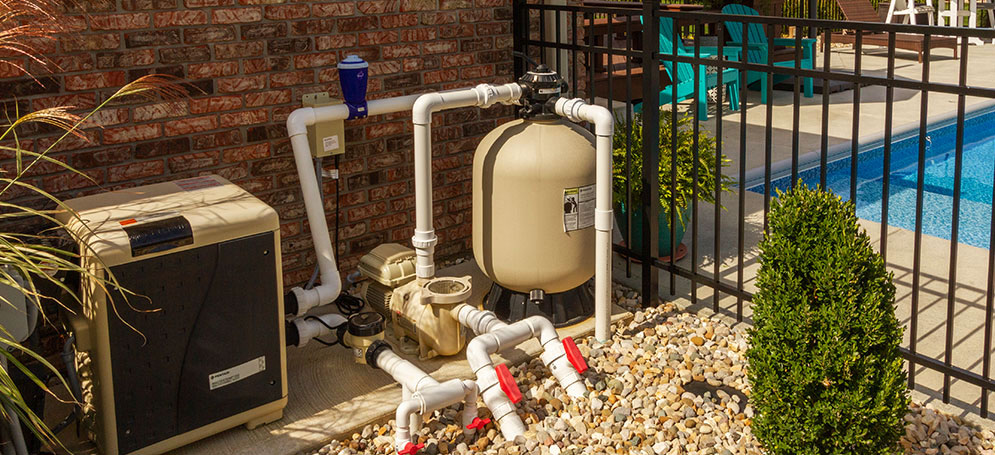
Swimming pool filtration systems generally include components such as pumps, filters, valves, pipelines, skimmers and return fittings. Different filtration technologies are available to suit residential, commercial and recreational swimming pools. The correct system depends on pool volume, circulation requirements, usage and the type of filtration equipment selected.
Understanding the working principle, types, components and maintenance requirements of a swimming pool filtration system helps pool owners and operators make informed decisions. This guide explains the major filtration technologies, applications and factors to consider when selecting a suitable system.
- Frequently Asked Questions About Swimming Pool Filtration Systems
- What Is a Swimming Pool Filtration System?
- How Does a Swimming Pool Filtration System Work?
- Main Components of a Swimming Pool Filtration System
- Different Types of Swimming Pool Filtration Systems
- Sand Filter vs Cartridge Filter vs DE Filter
- Benefits of a Proper Swimming Pool Filtration System
- Applications of Swimming Pool Filtration Systems
- Important Factors to Consider When Choosing a Swimming Pool Filtration System
- Swimming Pool Filtration System Installation Process
- Swimming Pool Filtration System Maintenance
- Common Swimming Pool Filtration System Problems and Solutions
- Swimming Pool Filtration System Safety and Quality Considerations
- How to Select the Right Swimming Pool Filtration System
- Why Choose Us for Swimming Pool Filtration Systems?
- Conclusion: Choosing the Right Swimming Pool Filtration System
Frequently Asked Questions About Swimming Pool Filtration Systems
1. What is a swimming pool filtration system?
A swimming pool filtration system circulates pool water through a filter to remove suspended physical impurities. It generally includes a pump, filter vessel, filtration medium, valves and pipelines.
2. What are the different types of swimming pool filtration systems?
Common types include sand filtration systems, glass media filtration systems, cartridge filtration systems and diatomaceous earth filtration systems.
3. How does a swimming pool filtration system work?
The pump draws water from the pool and sends it through the filter. The filtration medium captures suspended particles, and the filtered water is returned to the pool.
4. Which filter is best for a swimming pool?
The suitable filter depends on pool volume, required filtration performance, available space, maintenance preferences and operating conditions. Sand, cartridge, glass media and DE filters have different characteristics.
5. How do I calculate the required swimming pool filtration system capacity?
Calculate the pool volume and determine the required turnover time according to applicable project requirements. The required flow rate can then be estimated by dividing pool volume by the target turnover time, using consistent units.
6. How often should a swimming pool filter be cleaned?
Cleaning frequency depends on filter type, pool usage, water conditions and operating pressure. Follow the manufacturer's instructions and monitor the filter's pressure.
7. What is backwashing in a swimming pool filtration system?
Backwashing reverses the water flow through a compatible filter, helping remove accumulated dirt from the filtration media. It is commonly used with sand filters.
8. Why is my swimming pool water cloudy even when the filter is running?
Cloudy water may result from inadequate filtration, insufficient circulation, suspended particles or unsuitable water chemistry. Inspect the equipment and test the water before deciding on corrective treatment.
9. Does a swimming pool filtration system remove bacteria?
A mechanical filter can remove physical particles, but it does not replace proper disinfection. Appropriate water treatment and monitoring are necessary to manage microorganisms.
10. What maintenance is required for a swimming pool filtration system?
Maintenance includes monitoring filter pressure, cleaning or backwashing the filter as appropriate, inspecting the pump, checking valves and pipelines, and testing pool water quality.
What Is a Swimming Pool Filtration System?
A swimming pool filtration system is a combination of equipment designed to circulate pool water and remove suspended physical impurities. It draws water from the pool, passes it through a filtration medium and returns the filtered water to the swimming pool.
The system generally works with a pool pump, filter vessel, filtration media, valves and connecting pipelines. Depending on the pool design, water may be drawn through skimmers, main drains or balance tanks.
Filtration is an important part of pool water management, but it does not replace chemical treatment. Proper water testing, disinfection and circulation are also required to maintain suitable swimming conditions.
How Does a Swimming Pool Filtration System Work?
A swimming pool filtration system operates through a continuous or scheduled water circulation process.
1. Water Collection
Pool water is collected through skimmers, main drains or an overflow and balance tank arrangement, depending on the pool design.
2. Water Circulation
The pool pump draws water through the suction pipeline and moves it towards the filtration equipment.
3. Filtration Process
Water passes through the filter vessel and its filtration medium. Suspended particles and impurities are retained by the filtration system.
4. Pressure and Flow Monitoring
Suitable gauges and valves help operators monitor operating conditions and manage the filtration process.
5. Filter Cleaning or Backwashing
Depending on the filter type, cleaning may involve backwashing, rinsing or replacing the filtration medium according to the manufacturer's instructions.
6. Filtered Water Return
Filtered water passes through the return pipeline and is distributed back into the swimming pool through return inlets.
7. Water Treatment and Testing
Water chemistry is monitored and managed through appropriate treatment and disinfection methods alongside filtration.
Main Components of a Swimming Pool Filtration System
Each component performs a specific function in the circulation and filtration process.
1. Swimming Pool Pump
The pool pump circulates water through the filtration system. Its flow rate and operating characteristics should match the pool volume, pipework and filtration equipment.
2. Filter Vessel
The filter vessel contains the filtration medium and provides the space required for water filtration. Its size and design depend on the selected filtration technology and operating requirements.
3. Filtration Media
The filtration medium captures suspended particles as water passes through the filter. Common options include filter sand, glass media and cartridge elements, depending on the filter design.
4. Multiport Valve
A multiport valve is commonly used with suitable sand filter systems to select operating functions such as filtration, backwashing, rinsing and other modes specified by the equipment manufacturer.
5. Pressure Gauge
A pressure gauge indicates the pressure within the filter system. Changes from the normal operating pressure can help identify when filter cleaning or inspection may be required.
6. Skimmer
A skimmer collects floating debris from the water surface and directs water towards the circulation system.
7. Main Drain
A main drain is installed at the pool floor or designated location to support water collection and circulation, subject to the pool's approved hydraulic and safety design.
8. Return Inlets
Return inlets distribute filtered water back into the pool and help support water circulation.
9. Pipelines and Valves
Pipelines transport water between the pool, pump and filter. Valves help control water flow and isolate sections of the system when required.
10. Chemical Treatment Equipment
Compatible chemical feeders or dosing equipment may be used as part of the overall pool water treatment arrangement. They support disinfection and chemical management but perform a different function from mechanical filtration.
Different Types of Swimming Pool Filtration Systems
Swimming pool filtration systems are available in different technologies based on their filtration media and operating methods.
1. Sand Filtration System
Sand filtration systems use specially selected filter media to capture suspended particles as water passes through the filter vessel.
How Sand Filtration Works
Water enters the filter vessel and passes through the sand bed. Suspended particles are retained within the media, and filtered water moves towards the outlet. When the filter requires cleaning, the system is backwashed according to the manufacturer's instructions.
Applications of Sand Filtration Systems
Sand filters are commonly used in residential and commercial swimming pools where compatible filtration capacity and operating conditions are required.
2. Glass Media Filtration System
Glass media filters use specially processed glass filtration media instead of conventional filter sand.
How Glass Media Filtration Works
Pool water passes through the glass media bed, where suspended particles are captured. The filter is cleaned using the method recommended for the specific filter and media.
Applications of Glass Media Filtration Systems
Glass media filtration can be considered for residential, hotel, resort and commercial swimming pool installations where compatible equipment is available.
3. Cartridge Filtration System
Cartridge filters use replaceable or reusable filter elements to capture suspended particles from pool water.
How Cartridge Filtration Works
Water passes through the cartridge element, which retains particles on its filter surface and within its filtration structure. The cartridge is removed and cleaned or replaced according to the manufacturer's instructions.
Applications of Cartridge Filtration Systems
Cartridge filters can be suitable for selected residential pools, compact installations and other applications where their flow and filtration capacity meet the requirements.
4. Diatomaceous Earth Filtration System
Diatomaceous earth (DE) filtration systems use a specialised filter medium to capture fine suspended particles.
How DE Filtration Works
Water passes through filter elements coated with diatomaceous earth media. The media helps retain fine particles during the filtration process. Cleaning and recharging are carried out according to the equipment instructions.
Applications of DE Filtration Systems
DE filters are used in selected residential and commercial swimming pool applications where the filtration technology, maintenance process and local requirements are suitable.
Sand Filter vs Cartridge Filter vs DE Filter
Different filtration technologies have different operating and maintenance requirements.
| Parameter | Sand Filter | Cartridge Filter | DE Filter |
|---|---|---|---|
| Filter medium | Filter sand or compatible media | Cartridge element | Diatomaceous earth media |
| Filtration method | Water passes through a media bed | Water passes through cartridge elements | Water passes through coated filter elements |
| Cleaning method | Generally backwashing | Cartridge removal and cleaning | Cleaning and media recharging |
| Water discharge | Backwashing produces wastewater | Cleaning wastewater depends on method | Cleaning and backwashing arrangements vary |
| Maintenance | Periodic backwashing and media inspection | Regular cartridge cleaning and replacement | More specialised cleaning and media handling |
| Selection | Based on flow and pool requirements | Based on capacity and maintenance preference | Based on filtration needs and operating requirements |
The suitable filtration system depends on pool volume, flow rate, water quality requirements, available space, maintenance practices and equipment specifications.
Benefits of a Proper Swimming Pool Filtration System
Removal of Suspended Particles
Filtration equipment helps capture suspended dirt and particles from pool water.
Improved Water Clarity
By removing physical impurities, filtration supports clearer pool water when combined with suitable circulation and water treatment.
Continuous Water Circulation
The pump and circulation arrangement help distribute water through the pool and filtration equipment.
Support for Water Treatment
Proper circulation helps distribute treated water throughout the pool. Filtration and disinfection work together as part of pool water management.
Reduced Accumulation of Debris
A suitable filtration arrangement, along with skimmers and cleaning accessories, helps manage debris in the pool.
Convenient Pool Maintenance
Selecting appropriate filter equipment and controls can make routine maintenance and inspection more manageable.
Suitable for Different Pool Sizes
Filtration equipment is available in different capacities to meet the requirements of residential, commercial and recreational pools.
Improved Pool Operation
A properly designed circulation and filtration system supports the overall operation of the swimming pool.
Applications of Swimming Pool Filtration Systems
Swimming pool filtration systems are used in facilities where water circulation and physical impurity removal are required.
Residential Swimming Pools
Residential pools use filtration systems to circulate water and remove suspended particles as part of regular pool maintenance.
Hotels and Resorts
Hotels and resorts require suitable filtration arrangements to support the operation of guest swimming pools.
Commercial Swimming Pools
Commercial facilities use filtration equipment selected according to pool volume, operating hours and user requirements.
Clubhouses and Recreational Facilities
Clubhouse pools require suitable circulation and filtration systems to support regular recreational use.
Sports Complexes
Sports facilities use pool filtration systems to support swimming and training pool operations.
Water Parks
Water parks require filtration systems designed according to their individual pool and water attraction requirements.
Schools and Educational Institutions
Educational swimming facilities use suitable filtration arrangements to support pool maintenance and water management.
Fitness and Wellness Centres
Fitness centres and wellness facilities use filtration systems for their swimming and recreational water areas.
Important Factors to Consider When Choosing a Swimming Pool Filtration System
Swimming Pool Water Volume
Calculate the pool's water volume using its dimensions and shape. This information is important when determining the required circulation and filtration capacity.
Required Flow Rate
Select a pump and filter combination that can provide the required flow rate for the pool's design and intended operating conditions.
Turnover Time
Turnover time is the period required for the circulation system to process a volume of water equivalent to the pool's total volume at the specified flow rate. The appropriate design target should follow applicable standards and project requirements.
Filter Type and Media
Choose between sand, glass media, cartridge or DE filtration based on the filtration requirements, equipment compatibility and maintenance preferences.
Pump Compatibility
Ensure that the pump flow and pressure characteristics are compatible with the filter vessel, pipelines and other system components.
Pipeline Size and Layout
Consider pipe diameter, length, fittings and hydraulic resistance to support the required circulation performance.
Available Installation Space
Check the space required for the pump, filter vessel, valves and maintenance access.
Maintenance Requirements
Review backwashing, cartridge cleaning, media replacement and other routine service requirements.
Energy Consumption
Consider pump efficiency, operating hours and system design when evaluating energy consumption.
Manufacturer Specifications and Support
Review equipment specifications, operating instructions, warranty details and availability of technical support and replacement components.
Swimming Pool Filtration System Installation Process
System Design and Planning
Determine the pool volume, circulation requirements, filtration technology and equipment specifications before installation.
Equipment Selection
Select a suitable pump, filter vessel, valves, filtration media and compatible accessories.
Equipment Positioning
Place the pump and filter in a suitable location with adequate access for operation and maintenance.
Pipeline Connections
Connect suction and return pipelines according to the approved hydraulic layout and equipment requirements.
Electrical Connections
Complete electrical connections using qualified professionals and suitable protection measures.
Filter Media Loading
Load the specified filtration media or install the cartridge elements according to the filter manufacturer's instructions.
System Priming and Testing
Prime the pump where required and inspect the system for leaks, abnormal noise and operating issues.
Filtration and Flow Verification
Check the circulation flow, filter pressure and system operation to confirm that the installation is functioning as designed.
Swimming Pool Filtration System Maintenance
Regular Pressure Monitoring
Monitor the filter pressure and compare it with the normal operating range. Follow the manufacturer's instructions when deciding whether cleaning is required.
Sand Filter Backwashing
Backwash the sand filter when required according to the pressure readings and manufacturer recommendations. Complete the rinsing process where specified.
Cartridge Filter Cleaning
Remove and clean cartridge elements at the recommended intervals. Replace damaged or worn cartridges as required.
Filter Media Inspection
Inspect filter media according to the equipment maintenance schedule and replace it when required.
Pump Inspection
Check pump operation, seals, connections and other components for signs of wear or leakage.
Pipeline and Valve Inspection
Inspect pipelines and valves for leaks, blockages and incorrect operation.
Water Quality Testing
Monitor pH, disinfectant levels and other relevant water parameters. Mechanical filtration alone does not maintain complete water sanitation.
Common Swimming Pool Filtration System Problems and Solutions
Low Water Flow
Possible causes: Blocked skimmer baskets, clogged filters, restricted pipelines or pump issues.
Suggested action: Inspect the suction line, baskets, filter condition and pump operation.
High Filter Pressure
Possible causes: Accumulated debris within the filter media or restricted water flow.
Suggested action: Follow the manufacturer's filter cleaning or backwashing procedure and inspect the system if pressure remains high.
Cloudy Swimming Pool Water
Possible causes: Inadequate filtration, insufficient circulation, suspended particles or unsuitable water chemistry.
Suggested action: Check the filter, pump operation, circulation time and water chemistry. Apply the appropriate treatment based on test results.
Air in the Pump or Circulation Line
Possible causes: Air leakage on the suction side, low water level or an improperly sealed connection.
Suggested action: Inspect the water level, pump lid, seals and suction connections.
Water Leakage Around Equipment
Possible causes: Damaged seals, loose fittings or cracked components.
Suggested action: Inspect connections and replace damaged parts with compatible components.
Swimming Pool Filtration System Safety and Quality Considerations
Correct Equipment Sizing
Ensure the pump and filter are selected according to the pool volume, flow requirements and system design.
Electrical Protection
Use appropriate electrical protection and ensure that pool equipment installations comply with applicable safety requirements.
Safe Pressure Operation
Operate filter vessels within their specified pressure limits. Never open a pressurised filter vessel.
Proper Chemical Handling
Follow the manufacturer's instructions for water treatment chemicals and avoid incompatible chemical combinations.
Regular Equipment Inspection
Inspect the pump, filter, pressure gauge, valves and pipelines for visible damage or abnormal operating conditions.
Professional Installation and Servicing
Use qualified professionals for hydraulic, electrical and pressure equipment installation and maintenance.
How to Select the Right Swimming Pool Filtration System
Determine the Pool Volume
Calculate the pool water volume based on its shape, length, width and average depth.
Identify the Required Circulation Capacity
Determine the required flow rate and turnover target according to applicable standards and pool usage.
Choose the Suitable Filter Technology
Compare sand, glass media, cartridge and DE filters according to the project's filtration and maintenance requirements.
Match the Pump and Filter
Select compatible equipment to ensure that the pump's operating conditions suit the filter's capacity.
Review Installation Requirements
Check equipment dimensions, plumbing connections, electrical requirements and maintenance access.
Consider Long-Term Operating Costs
Evaluate electricity consumption, cleaning requirements, replacement media and servicing expenses.
Why Choose Us for Swimming Pool Filtration Systems?
When selecting a swimming pool filtration system supplier, consider product range, equipment specifications, system compatibility and technical support. A suitable supplier should help customers understand pump capacity, filter selection, filtration media and installation requirements.
Reviewing the available equipment and its technical specifications helps identify a filtration solution suitable for the pool's dimensions and operating conditions. Proper system selection and installation guidance are important for supporting efficient circulation and convenient maintenance.
Before purchasing, compare equipment specifications, maintenance requirements, product quality and after-sales support to make an informed decision.
Conclusion: Choosing the Right Swimming Pool Filtration System
A swimming pool filtration system plays an important role in water circulation and the removal of suspended impurities. Components such as pumps, filter vessels, filtration media, valves and pipelines work together to support the pool's filtration process.
Selecting the right system requires consideration of pool volume, flow rate, turnover requirements, filter technology, pump compatibility and maintenance needs. A properly designed and maintained filtration arrangement, combined with suitable water treatment, helps support clean and well-managed swimming pool water.
Explore suitable swimming pool filtration systems for your project and contact us for equipment specifications, technical details and selection assistance.
Planning a swimming pool project in Pune?
Share your pool size, usage and requirements with 4S Swimming Pools and get suitable product guidance.
Enquire Now WhatsApp Now